

Call us now
08045802274

 Send Inquiry
Bio Medical Waste Segregation Bins
MOQ : 10 Pieces
Bio Medical Waste Segregation Bins Specification
- Fragrance
- Odorless
- Usage & Applications
- Bio-medical waste collection, segregation, transport & disposal
- Dimension (L*W*H)
- Varies by capacity (e.g., 30L: 390mm x 350mm x 530mm)
- Color
- Multi
- Voltage
- Not applicable (manual operation)
- Size
- 10-15L
- Technique
- Injection Molding
- Handle Type
- Top lid with lifting handle or pedal operated
- Automation Grade
- Manual or pedal operated
- Weight
- Approx. 2-3 kg (depends on capacity)
- Speed
- Manual Operation
- Shelf Life
- Long lasting, up to 10 years under normal usage
- Product Type
- Bin
- Material
- Plastic
- Application
- Industry and Home
- Function
- Safe segregation and disposal of biomedical waste
- Capacity
- 10 to 80 Liters, as per requirement
- UV Resistant
- Yes
- Chemical Resistance
- Yes
- Marking
- Clear biohazard symbols and color coding as per waste type
- Safety
- Non-contact foot pedal for hands-free operation (pedal model)
- Disposal Method
- Autoclavable (for certain types); reusable and recyclable
- Stackable
- Yes
- Shape
- Round/Rectangular
- Compliance
- Meets Biomedical Waste Management Guidelines
- Lid Type
- Detachable or Attached
- Leak-Proof
- Yes
Bio Medical Waste Segregation Bins Trade Information
- Minimum Order Quantity
- 10 Pieces
- Supply Ability
- 10000 Pieces Per Week
- Delivery Time
- 1 Week
- Sample Available
- Yes
- Sample Policy
- Free samples are available
- Main Domestic Market
- All India
About Bio Medical Waste Segregation Bins
Backed by rich industry expertise, we are offering a huge gamut of Bio Medical Waste Segregation Bins. These bins are manufactured by our skilled professionals using high-grade plastic and other materials, obtained from the authorized vendors of the market. The bins we offer are mostly used for disposing bio medical waste, therefore widely used in clinics and hospitals. These Bio Medical Waste Segregation Bins are available in various sizes and designs to meet the needs of our customers.
Features:
- The closed lid of the bin prevents the spreading of foul odor in atmosphere
- These can be easily carried from one place to another for emptying
- It ensures safe disposal of bio- medical waste including used syringes & needles, chemical solutions, chemotherapeutic agents, test tubes etc.
- It is designed to control the risk of spreading infections in the places like hospitals and nursing homes
- These are segregated on the basis of colors, each for a specific type of waste
Robust and Compliant Construction
Engineered from high-quality plastic, these bins comply with Biomedical Waste Management Guidelines. Their chemical resistance and UV resiliency ensure durability, and their construction is tailored for both industrial and residential use. The odorless nature and clear biohazard codes facilitate organized and hygienic waste segregation.
Safe and User-Friendly Operation
With non-contact foot pedals and easy-to-lift handles, these bins minimize direct contact, promoting hygienic waste disposal. The leak-proof and stackable designs prevent spillage, while detachable or attached lids suit various application needs. Their manual and pedal-based mechanisms enhance user convenience and safety during daily operations.
Eco-Friendly and Long Lasting
These bins are autoclavable, recyclable, and reusable, supporting sustainable waste management practices. Built to last up to 10 years under normal conditions, they withstand repeated use without degradation, making them a practical choice for healthcare facilities, laboratories, and even households.
FAQ's of Bio Medical Waste Segregation Bins:
Q: How do I use Bio Medical Waste Segregation Bins safely?
A: Simply open the bin using either the non-contact foot pedal or the lifting handle on the top lid, depending on your selected model. Place the corresponding type of biomedical waste in bins with proper color coding and markings, then securely close the lid to prevent contamination or odor. Always follow the prescribed waste segregation guidelines.Q: What types of biomedical waste can be disposed of in these bins?
A: Each bin is marked with clear biohazard symbols and color codes compliant with Biomedical Waste Management Guidelines, allowing you to segregate different types of biomedical waste correctly, including infectious, sharps, anatomical, and laboratory waste, depending on your facility's protocol.Q: Where can these segregation bins be placed for optimal use?
A: These bins are suitable for placement in hospitals, laboratories, clinics, industries, and residential settings-anywhere biomedical waste is generated. Strategic placement near waste generation points ensures efficient collection and reduces cross-contamination risk.Q: What is the process for cleaning and maintaining the bins?
A: After waste disposal, ensure the bins are emptied according to facility protocols. Clean them with disinfectant, especially after contact with hazardous materials. Select bins can be sterilized by autoclaving if needed. Regular maintenance extends product longevity and ensures ongoing safety.Q: When should I opt for autoclavable models versus standard bins?
A: Choose autoclavable models when your facility requires frequent sterilization of the bins, such as in hospitals and labs handling contagious waste. Standard models are suitable for environments with non-infectious waste requirements where chemical or regular cleaning suffices.Q: What are the benefits of using foot pedal operated bins?
A: Foot pedal operated bins allow for hands-free disposal, significantly reducing the risk of contact with contaminated surfaces and enhancing workplace safety, especially in high-risk biomedical environments.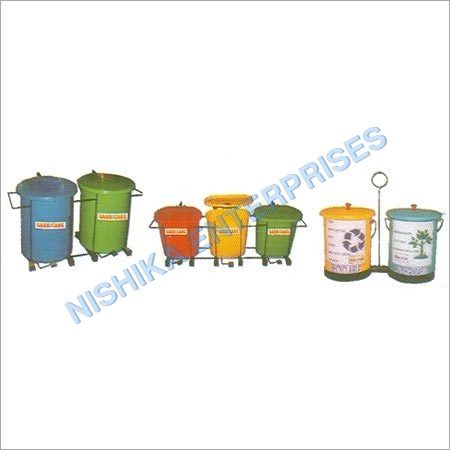
Tell us about your requirement

Price:
Quantity
Select Unit
- 50
- 100
- 200
- 250
- 500
- 1000+
Additional detail
Mobile number
Email


GST : 07ADRPG1069R1ZU

|

No. A-2/14, Prateek Apartment, Opposite C.A. Apartment, Paschim Vihar,New Delhi - 110063, India
Phone :08045802274
 Send Inquiry
- Bio Medical Waste Management Products
- Biohazard Sharp Container
- Pedal Garbage Bin
- Foot Operated Dustbin
- Swing Type Dustbin
- Garbage and Linen Multipurpose Trolley
- Smart Series Dustbin
- Medical Sharp Container
- Wheel Waste Bin
- Bio Medical Waste Segragation Bin
- Sharp Safety Boxes
- Sharp Disposal Containers
- Stainless Steel Bins / Foot Operated Swing
- House Keeping Equipment's
- MS-SS Frame and Trolley Dustbin
- Winger Trolley
- Garbage Bags
- Safety Gloves
- Hub Cutter
- Housekeeping Item
- GlassWare Box
- Mattress
- Sharp Disposable Containers
- Innovative Sharp Container with Handle
- Manual Syringe & Needle Cutter
- Disposable Hub Cutter & Card Board Box for Glas
- Multipurpose Trolley & Linen Trolley
- Container for Glassware
- Smart Series Dustbin with MS SS Frame & Trolley
- Housekeeping Equipment
- Wringer Trolley
- Wheel Chair
- Plastic Pedal & Swing Dustbin Economy
- Liter Bins & Bins on Stand Swing Type Dustbin
- SS Bins for General Use and Bio Medical Waste
- Smart Series Foot Operated Dustbin
- Surgical Rehabilitation Product
- Patient Transfer Chair
- Bed Sore Mattress
 Send Inquiry
 Send SMS
NISHIKA ENTERPRISES
All Rights Reserved.(Terms of Use)
Developed and Managed by Infocom Network Private Limited.
Developed and Managed by Infocom Network Private Limited.

